
Support for family, friends & colleagues
If you’re worried about someone, or want to understand how to support them safely, this page offers simple guidance on domestic abuse (DA) and sexual violence (SV).
You don’t need to be an expert. Being calm, informed and compassionate can make a real difference.
Noticing When Something Might Be Wrong
You might notice:
Withdrawal or isolation
Changes in mood or behaviour
Seeming anxious, fearful or on edge
Reduced confidence or difficulty making decisions
Signs of controlling behaviour from a partner
Unexplained injuries
These can be signs of abuse or trauma - but not always. If something doesn’t feel right, it’s okay to trust your instincts and approach gently.

How to Respond
Starting a conversation can feel difficult - but reaching out can really help.
You could say:
“I’ve noticed things seem different for you lately - how are you?”
“You don’t have to go through this on your own.”
“I’m here to listen, whenever you feel ready.”
Do:
Listen without judgement
Believe what they share
Go at their pace
Respect their choices
Focus on supporting them safely
Avoid:
Telling them what to do
Asking why they haven’t left
Minimising or dismissing their experience
Confronting the person causing harm, as this can increase risk


Worried About Someone’s Safety?
There are options. In some situations, there are safe ways to seek more information or support:
Clare’s Law (Domestic Violence Disclosure Scheme)
You can ask the police if someone has a history of domestic abuse. This is known as the “Right to Ask” or “Right to Know” and can help inform decisions about safety.
Sarah’s Law (Child Sex Offender Disclosure Scheme)
If you’re concerned about a child’s safety, you can request information about whether someone has a history of sexual offences against children.
You can contact your local police force to make a request or speak to a support service for guidance first.
If you’re unsure whether this is the right step, it’s always okay to talk it through with a support service before taking action.
Supporting Someone at Work
Concerns about domestic abuse and sexual violence don’t stay at home - they can affect people at work too.
If you’re worried about a colleague:
Check in gently and privately
Respect their confidentiality
Avoid raising concerns in front of others
Encourage them to seek support, including through workplace policies or external services
Be mindful of safety (for example, not sharing information or escalating without consent unless there is immediate risk)
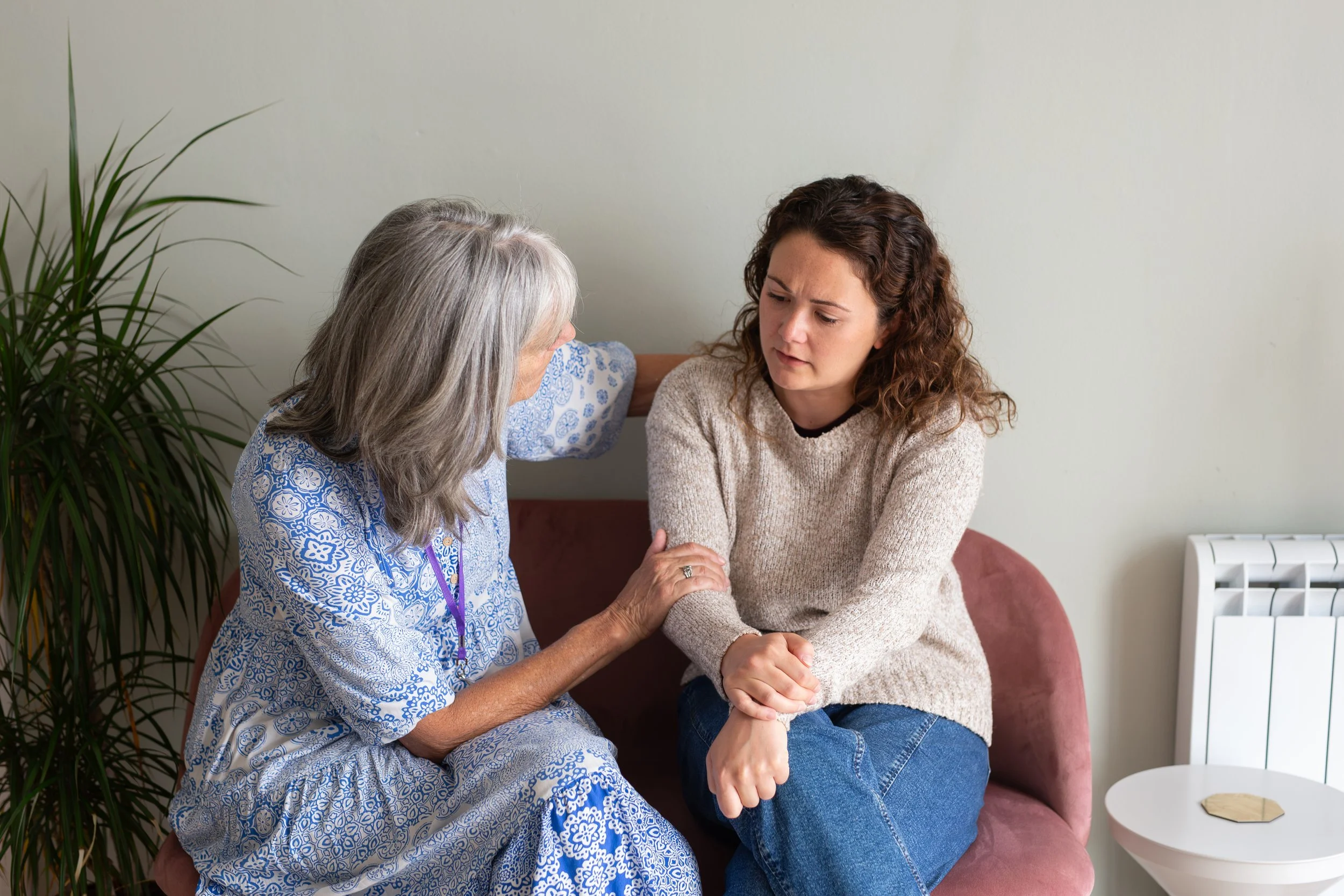
Workplaces have an important role to play in creating safe, supportive environments. At My Sisters’ House, we can:
Provide advice to managers or colleagues on how to respond safely
Deliver training to help teams recognise and respond to domestic abuse
Support organisations to develop or strengthen domestic abuse policies and procedures

Important Things to Know About DA & SV
· Abuse is not always physical—it can also be emotional, psychological, financial or coercive
· Leaving is often the most dangerous time
· People may stay for many complex and personal reasons
· Your role is to support, not to fix or rescue
If you’re unsure how to respond, it’s okay to seek advice for yourself from a support service.
Looking After Yourself
Supporting someone can be emotionally demanding.
· Take breaks when you need to
· Talk things through with someone you trust
· Set clear boundaries
· Remember: you are not responsible for fixing everything

How We Can Help
At My Sisters’ House, we offer:
· Confidential, trauma‑informed support
· Domestic abuse advocacy and safety planning
· Emotional wellbeing and counselling
· Support for women and families
You can contact us for advice or guidance on how to support someone safely
A Final Thought
You don’t need the perfect words or answers.
Being present, listening, and showing kindness can make a powerful difference.
The Women’s Aid Survivor’s Handbook offers clear, practical advice on how to support someone experiencing domestic abuse, including how to listen, respond safely, and respect their choices.